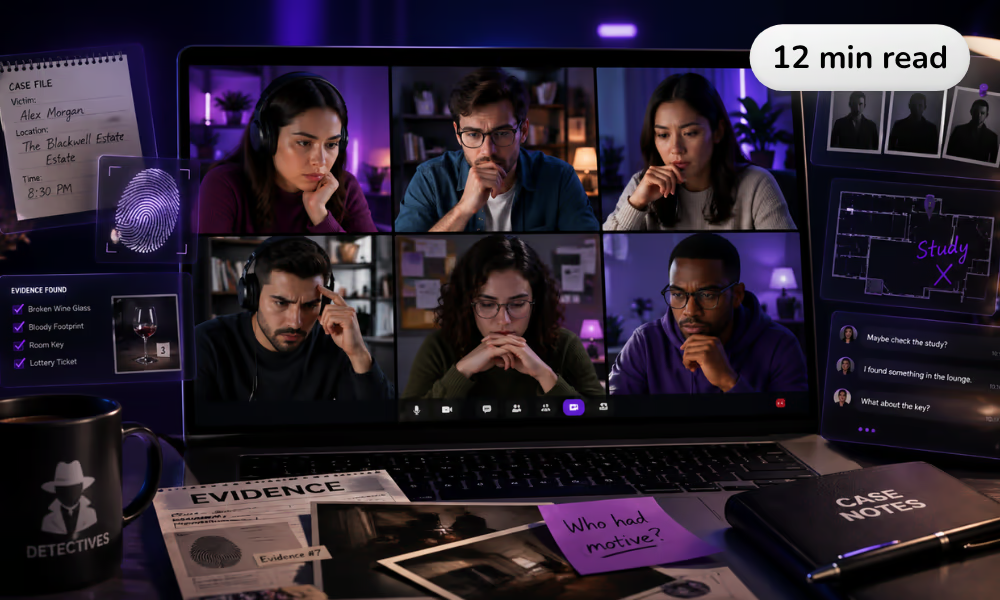

Picture this: your team logs into a Zoom call expecting another standard virtual catch-up… but instead, they’re greeted by a mysterious host, a cast of suspicious characters, and a crime that needs solving.
Virtual murder mystery games are interactive online experiences where participants step into a story, take on character roles, or work together to crack a case. Before or at the start of the event, everyone receives a list of suspects or a dossier with their backstory, secrets, and clues. Some might be hiding something. One of them is definitely lying.
As the game unfolds, new evidence is revealed, alibis start to fall apart, and teams break into smaller groups to piece together what really happened. With the help of a host (or sometimes an app), players interrogate suspects, debate theories, and build their case before making a final accusation.
It might sound complex, but in reality, it’s surprisingly easy to join, simple to follow, and designed to be fun from the moment it starts. No acting experience required. Just a willingness to get involved and a curiosity for solving the mystery.
If you’re looking for something that actually engages your team, here are our best virtual murder mystery games for team building — from premium hosted experiences to budget-friendly DIY options.
⚡ TL;DR: How Virtual Murder Mystery Games Work
Virtual murder mystery games are live, interactive experiences where teams join a video call, take on character roles, and work through clues to solve a fictional crime.
Here’s the short version:
* You book a hosted or self-run experience
* Players receive character roles and event details beforehand
* Everyone joins a Zoom or Teams call
* A host (or app) guides the story and reveals clues
* Teams collaborate in breakout rooms to solve the case
* The event ends with final accusations and a dramatic reveal
👉 The best experiences are hosted, as they keep the energy high, the story flowing, and the tech running smoothly.
Jump to the key elements on how virtual murder mystery games work
Why Virtual Murder Mystery Games Work So Well for Team Building
At its core, a virtual murder mystery is a live, story-driven game where a group of people work together to solve a fictional crime—completely online.
Think of it as a mix between a classic whodunnit, an escape room, and a team-building activity. Instead of physically moving between locations, everything happens through video calls, digital clues, interactive game-screens and guided gameplay.
Unlike traditional in-person murder mysteries (where everyone gathers in the same room), virtual versions are designed specifically for remote teams. That means built-in features like breakout rooms for smaller discussions, digital evidence packs, and structured rounds that keep everyone engaged—no matter where they are in the world.
These experiences are commonly used for:
- Team building events
- Company socials
- Remote onboarding sessions
- End-of-year celebrations
They work particularly well for groups who want something more interactive than a quiz, but less intense than a full escape room. There’s a natural balance of problem-solving, creativity, and conversation – which makes it ideal for mixed personalities and team dynamics.
If you’re exploring options, we’ve rounded up some of the top experiences in this guide:
👉 Best Virtual Murder Mystery Games for Team Building
This is where you’ll see how different formats compare, and which ones are actually worth your time.
Key Elements of a Virtual Murder Mystery
While every virtual murder mystery has its own theme and storyline, most experiences follow a similar structure behind the scenes. Once you understand the key elements, the whole thing feels far less mysterious and much easier to plan.
Setup
Before the event even begins, there’s usually a bit of behind-the-scenes preparation to get everyone ready.
This might include sending out calendar invites, sharing joining links, and providing players with character details or a briefing pack. In some formats, participants are assigned individual roles with backstories and secrets. In others, especially for larger groups, everyone takes on a shared role, like a team of investigators working together to solve the case.
For bigger or more diverse teams, this “group role” approach tends to work better. It removes the pressure of acting, makes onboarding faster, and ensures no one feels put on the spot. Teams can also divide responsibilities internally, someone leading discussions, someone tracking clues, someone managing time, which naturally encourages collaboration.
Hosting
The host is the glue that holds the entire experience together.
In a hosted virtual murder mystery, a professional facilitator (or even a cast of actors) guides the story, introduces key moments, manages pacing, and keeps energy levels high throughout. They’ll explain the rules, reveal clues at the right time, and step in whenever teams need a nudge in the right direction.
This is where hosted experiences really shine. Without strong facilitation, the game can quickly lose momentum or become confusing, especially with larger groups. A great host keeps things flowing smoothly, adds personality to the experience, and ensures everyone stays engaged from start to finish.
Platforms
Most virtual murder mysteries are run through familiar platforms like Zoom or Microsoft Teams, making them easy for teams to access without complicated setup.
Alongside the video call, many experiences also use browser-based tools or apps to deliver clues, track progress, and display leaderboards or evidence boards. This creates a more interactive experience without overwhelming participants with too many moving parts.
The best setups feel seamless. Where the tech supports the experience, rather than distracting from it.
Gameplay
At the heart of every murder mystery is the gameplay itself: the clues, twists, and unfolding story that keep everyone hooked.
Typically, the game is structured in rounds. New pieces of evidence are revealed over time, suspects are introduced or questioned, and teams are given moments to analyse information and build their theories.
Some games lean more into storytelling and character interaction, while others focus on puzzles, problem-solving, or digital challenges. The strongest experiences strike a balance between the two, keeping both analytical thinkers and creative personalities engaged.
The Aim
No matter the format, the objective is always the same: figure out who committed the crime.
Teams work together to identify the culprit, understand their motive, and explain how the crime was carried out. In some cases, there may be bonus points for accuracy, speed, or uncovering additional details.
It’s not just about getting the right answer—it’s about how you get there.
Interaction
This is where the magic really happens.
Virtual murder mysteries are designed to get people talking. Through breakout rooms, team discussions, and group debates, players share ideas, challenge each other’s assumptions, and gradually piece together the truth.
Because the format naturally encourages conversation, it works incredibly well for team building. People who might normally stay quiet in meetings often find themselves contributing, questioning, and collaborating in a much more relaxed way.
Step-by-Step: How Virtual Murder Mystery Games Works
So, let’s take a look at how virtual murder mystery games work in practice?
Let’s walk through a typical experience, from the moment you book, all the way to the final dramatic reveal.
1. Booking & Planning
It starts with choosing the right experience for your team.
Once booked, you’ll usually confirm your group size, preferred date, and format (hosted, app-led, or self-run). For hosted events, this is where the provider takes the lead – handling logistics, tailoring the experience, and making sure everything is set up for a smooth event.
At this stage, everything should feel easy. If there’s too much admin or confusion early on, it’s often a sign the experience may be harder to run on the day.
2. Pre-Event Setup
Before the event, participants receive everything they need to get started.
Depending on the format, this could include:
- A calendar invite with the joining link
- Character roles or a case briefing
- Optional dress-up or theme suggestions
In more scalable formats, players aren’t expected to “perform” as characters. Instead, they join as part of a team (think: a group of investigators), which makes the experience far more accessible, especially for larger or more reserved groups.
3. Joining the Call
On the day, everyone joins a Zoom or Teams call – just like any other virtual meeting.
But instead of a standard agenda, they’re welcomed into a storyline.
A host typically kicks things off by setting the scene, introducing the mystery, and explaining how the game works. This is a crucial moment, it sets the tone, builds excitement, and ensures everyone feels comfortable before diving in.
4. Meeting the Characters
As the story unfolds, key suspects and characters are introduced.
In some experiences, these are played by professional actors. In others, they’re presented through videos, written profiles, or interactive game screens.
This is where the intrigue builds. Everyone starts forming first impressions, spotting inconsistencies, and asking the big question: who can we trust?
5. Investigating the Clues
Now the real work begins.
Clues are revealed in stages, documents, videos, witness statements, or hidden details that slowly piece together the bigger picture. Each new piece of evidence adds another layer to the story.
The best virtual murder mystery games are designed to keep this process clear and engaging, so teams never feel lost or overwhelmed.
6. Team Discussions
Teams are usually split into breakout rooms to discuss what they’ve uncovered.
This is where collaboration kicks in. Players share theories, challenge assumptions, and connect the dots between different clues. Often, teams will naturally assign roles, someone leading the discussion, someone tracking evidence, someone keeping an eye on time.
It’s structured enough to keep things focused, but open enough to let personalities shine.
7. Final Accusations
As the game reaches its climax, teams are asked to make their final call.
Who committed the crime? What was their motive? How did they do it? What was the murder weapon?
This moment is always a mix of confidence, guesswork, and last-minute debates. Some teams are certain. Others… not so much.
8. The Big Reveal
Finally, everyone comes back together for the reveal.
The host/organiser walks through the solution, explains what really happened, and uncovers the truth behind the mystery. There’s usually a mix of surprise, celebration, and “wait… how did we miss that?”
It’s a satisfying ending that brings the whole experience together, and gives teams something to talk about long after the event ends.
Different Types of Virtual Murder Mystery Games
Now that you understand how virtual murder mystery games work, the next step is choosing the right format for your team.
Not all experiences are created equal. In fact, the format you choose can have a huge impact on how smooth, engaging, and enjoyable the event feels—especially for larger groups.
Broadly speaking, there are three main types of virtual murder mystery games:
Hosted Experiences (Best for Most Teams)
This is the premium, fully facilitated option and for good reason.
Hosted virtual murder mysteries are led by professional facilitators (and sometimes actors) who guide the entire experience from start to finish. They manage the flow, deliver clues, control pacing, and keep energy levels high throughout.
From a participant’s perspective, it feels effortless. You simply join the call, follow the story, and focus on solving the case, while everything else is handled for you.
For team building, this format consistently delivers the best results. It removes confusion, keeps everyone engaged, and ensures the experience runs smoothly regardless of group size or dynamics.
It’s especially effective for:
- Larger groups (20+ participants)
- Mixed personalities (introverts + extroverts)
- Teams who want a polished, high-energy experience
If you’re unsure where to start, this is usually the safest and strongest option.
👉 You can explore some of our fully managed virtual team building activities.
App-Led / Self-Guided Experiences (Flexible & Scalable)
App-led experiences sit in the middle.
These games use a browser-based platform or mobile app to guide players through the story, deliver clues, and track progress. There may be a light-touch host or facilitator, but much of the experience is driven by the technology itself.
This format works well for teams that want flexibility and scalability. It can handle larger groups and often comes at a lower price point than fully hosted events.
That said, the experience can vary depending on how intuitive the platform is. Without strong facilitation, some teams may lose momentum or feel less immersed in the story.
Still, when done well, app-led games offer a solid balance between structure and independence.
👉 Learn more about self-managed team activities by Team Events.
Self-Run Kits (DIY Option)
At the most basic level, you’ll find downloadable or PDF-based murder mystery kits.
These are completely self-run, meaning someone in your team needs to organise the event, brief participants, manage the flow, and keep everything on track.
While this can be a budget-friendly option, it often comes with trade-offs. There’s more admin, more pressure on the organiser, and a higher risk of things feeling disjointed—especially if the group isn’t naturally confident or experienced with this type of activity.
For smaller, highly engaged groups, it can still work well. But for most teams it requires more effort than expected.
👉 If you want to see one in action, take a look at The Movie Murder Mystery Party
Final Thoughts: How Virtual Murder Mystery Games Work (And Why They’re Worth It)
By now, you should have a clear understanding of how virtual murder mystery games work, and why they’ve become such a popular choice for team building.
At their best, these experiences strike a rare balance. They’re structured without feeling rigid, interactive without being overwhelming, and immersive without requiring anyone to step too far outside their comfort zone.
More importantly, they give teams something genuinely different.
Instead of another passive virtual session, you get people talking, thinking, debating, and collaborating in a way that feels natural. Whether your team is fully remote or spread across different locations, a well-run murder mystery creates shared moments—the kind people remember and reference long after the event ends.
And while there are different formats to choose from, the biggest difference usually comes down to how the experience is delivered. Strong facilitation, clear structure, and seamless tech can turn a simple concept into something truly engaging.
Ready to Host a Virtual Murder Mystery Your Team Will Actually Enjoy?
Now that you know how virtual murder mystery games work, the next step is finding the right experience for your team.
Whether you’re planning a team social, onboarding session, or end-of-year event, choosing the right format can make all the difference.
👉 Browse our full Virtual Murder Mystery collection to find an experience that fits your team perfectly.
👉 Or explore this step-by-step article on how online murder mystery games work.
If you’re looking for something seamless, engaging, and easy to run—hosted experiences are usually the way to go.
Frequently Asked Questions
How do virtual murder mystery games work for large teams?
Virtual murder mystery games work best for large teams when they use a structured, scalable format.
Instead of assigning every participant a complex character role, many experiences group players into teams (for example, as investigators). Each team works together in breakout rooms to analyse clues and solve the case.
This approach keeps things simple, inclusive, and engaging—no matter how many people are involved.
Do you have to act in a virtual murder mystery?
Not at all.
While some formats include character roles, most modern virtual murder mystery games are designed so anyone can join and participate comfortably. There’s no pressure to perform or “act” unless that’s something your team specifically wants.
Many experiences focus more on teamwork, problem-solving, and discussion rather than performance.
What platform do virtual murder mystery games use?
Most virtual murder mystery games run on platforms like Zoom or Microsoft Teams.
Some experiences also include browser-based apps or digital game boards where players can view clues, track progress, and interact with the story.
The best setups are simple and easy to join, with minimal technical setup required.
How long does a virtual murder mystery event last?
Most games last between 60 and 120 minutes, with 90 minutes being the most common.
This gives enough time to introduce the story, investigate clues, and reach a satisfying conclusion without losing momentum.
Are virtual murder mystery games good for team building?
Yes, when designed well, they’re one of the most effective virtual team building activities available.
They naturally encourage communication, collaboration, and problem-solving, all within a fun and low-pressure environment. Because everyone is working toward a shared goal, it helps break down barriers and bring teams closer together.
What’s the best type of virtual murder mystery to choose?
It depends on your team—but for most groups, hosted experiences offer the best overall experience.
They’re easier to run, more engaging, and far less reliant on internal coordination. App-led options can also work well for flexibility, while self-run kits are better suited to smaller groups with time to organise the event themselves.
If you have more questions or want to know about hosting an online murder mystery party, we have an article with FAQs on hosting an online murder mystery party.